After a strong Georgia storm passes, many homeowners breathe a sigh of relief when they don’t see water dripping from the ceiling. Unfortunately, the absence of leaks doesn’t always mean your roof escaped unharmed. In fact, hidden roof damage in Atlanta is surprisingly common, especially after heavy rain, hail, or high winds. Damage can exist beneath shingles, around flashing, or within the roofing system itself, quietly weakening your roof over time.
At Crist Jr. Roofing & Construction, we’ve spent over 25 years inspecting roofs across Metro Atlanta and Smyrna. We’ve seen firsthand how storm-related issues often go unnoticed until they become expensive repairs. Knowing what to look for and when to schedule a professional inspection can save you thousands.
Why Storm Damage Isn’t Always Obvious
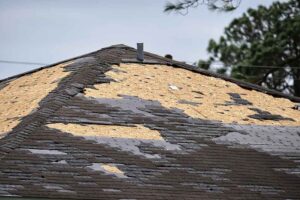
Georgia storms are intense but fast-moving. Wind can lift shingles without fully tearing them off. Hail may bruise materials without causing immediate leaks. Heavy rain can push water into vulnerable areas that slowly degrade decking and underlayment.
Because this damage often happens beneath the surface, many homeowners don’t realize there’s a problem until months or even years later.
That’s why a roof inspection after a storm in Georgia is so important, even if everything looks fine from the ground.
Subtle Signs of Hidden Roof Damage
While some storm damage is obvious, other warning signs are easy to miss. Here are common indicators your roof may have storm-related issues lurking beneath the surface.
Shingle Granules in Gutters or Downspouts
After a storm, check your gutters. An unusual buildup of granules can signal that shingles were impacted by hail or wind. Granule loss exposes asphalt shingles to UV damage and shortens their lifespan, even if the shingles still look intact.
Lifted or Loosened Shingles
Wind doesn’t always rip shingles away. Sometimes it breaks the adhesive seal, allowing shingles to lift slightly. This creates entry points for water during future storms and can lead to slow leaks that aren’t immediately visible indoors.

Damaged Flashing Around Roof Penetrations
Flashing around chimneys, vents, skylights, and roof edges is one of the most vulnerable areas during storms. Wind-driven rain can loosen or bend flashing, allowing moisture to seep in behind walls or into attic spaces without obvious ceiling stains.
Dented or Bent Metal Components
Metal flashing, drip edges, and roof vents may show small dents after hailstorms. These dents often indicate impact damage to surrounding roofing materials, even if shingles appear untouched.
Soft Spots or Spongy Areas
Storm-related moisture intrusion can weaken roof decking over time. If sections of your roof feel soft underfoot (noticed only by professionals), it may point to trapped moisture from earlier storm damage.
Interior Clues That Don’t Look Like Leaks
Hidden roof damage doesn’t always present as dripping water. Instead, you may notice subtle indoor warning signs, such as:
- Increased indoor humidity
- Musty odors in your attic or upper rooms
- Small discolorations near the ceiling edges
- Unexpected spikes in energy bills due to compromised insulation
These symptoms often develop long after the storm itself, making the connection easy to miss.
Why Professional Inspections Matter After Georgia Storms
A professional storm damage roof inspection in Smyrna or the greater Atlanta area goes far beyond a quick visual check. Experienced roofing contractors know where storm damage hides and how Georgia’s climate accelerates deterioration.
Professional inspections can uncover:
- Bruised asphalt shingles
- Hairline cracks in materials
- Compromised underlayment
- Hidden flashing failures
- Early decking deterioration
Identifying these issues early helps prevent widespread water damage, mold growth, and structural repairs later on.
Insurance Considerations You Shouldn’t Ignore
Many insurance claims for storm damage are delayed because homeowners don’t see immediate leaks. Unfortunately, waiting too long can make it harder to prove the damage was storm-related.
Having documented evidence from a timely roof inspection after a storm in Georgia strengthens your position if you need to file a claim. It also helps ensure repairs are addressed before damage spreads.
How Often Should You Inspect Your Roof?
In Metro Atlanta, it’s wise to schedule a roof inspection:
- After major wind or hail storms
- Following severe thunderstorms with heavy rain
- At least once per year as preventative maintenance
This proactive approach extends roof lifespan and protects your investment.
Trust a Roofing Contractor Who Knows Atlanta Storms
Not all storm damage is visible, but ignoring it can lead to costly consequences. As a trusted roofing company in Atlanta, GA, Crist Jr. Roofing & Construction understands how local weather impacts both residential and commercial roofing systems.
Our family-owned team proudly serves Marietta, Smyrna, and surrounding communities with thorough storm damage inspections, honest assessments, and high-quality repairs. Whether your roof shows obvious damage or none at all, we’ll help you uncover hidden issues before they become major problems.
If your property has recently experienced harsh weather, don’t wait for leaks to appear. Contact Crist Jr. Roofing & Construction today to schedule a professional storm damage roof inspection and protect your home or business with confidence.